Veterinary Surgery in McKinney, TX
At Pet Method Animal Hospital, we offer advanced veterinary surgery for dogs and cats in McKinney, TX. Whether your pet needs a routine spay or emergency foreign body removal, we combine integrative diagnostics with surgical precision to deliver the best outcome possible. Our skilled veterinarians and trusted mobile surgery partners provide a full range of soft tissue and internal procedures in a calm, supportive setting.
A Comprehensive Approach to Pet Surgery
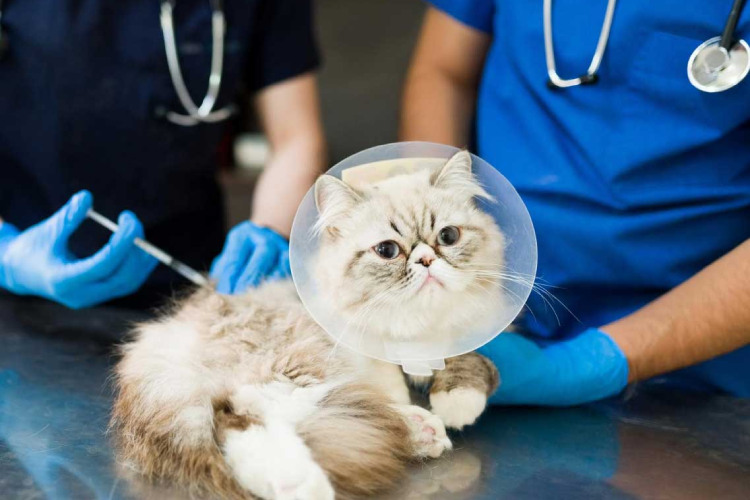
We take time to understand your pet’s needs before, during, and after surgery. Each procedure begins with a thorough consultation and diagnostics, such as bloodwork, urinalysis, or imaging. Our team uses gentle handling techniques and personalized pain management to minimize stress and support recovery.
For more immediate issues, learn more about our Urgent & Emergency Vet Care services.
Pet Spay and Neuter
Spaying and neutering supports a longer, healthier life by reducing the risk of certain cancers and preventing unwanted behaviors. At Pet Method, we perform ovariohysterectomy (spay) and orchiectomy (neuter) with a focus on safety, pain control, and a smooth recovery. Most pets can undergo surgery around six months of age.
Benefits of spaying or neutering include:
- Reducing the risk of mammary and testicular cancer
- Preventing unwanted litters
- Minimizing aggression, roaming, and marking behaviors
We provide pre-anesthetic testing, gentle surgical techniques, and detailed post-op care instructions to support healing.


Mass Removal Surgery
Skin growths, tumors, or internal masses may require surgical removal for biopsy or treatment. Dr. Hunter Finn and our veterinary team assess each case individually, using diagnostics to determine the best approach. Whether it’s a benign skin lump or a suspected malignancy, we ensure your pet’s safety and comfort throughout the procedure.
We also offer in-house fine needle aspirate (FNA) and biopsy collection. If cancer is suspected, we may recommend additional diagnostics and a more extensive surgical plan to support long-term health.
Foreign Body Removal
If your pet swallows a toy, string, bone fragment, or other non-digestible object, it can cause a life-threatening obstruction. Foreign body removal surgery is often needed to retrieve the item from the stomach or intestines. Our veterinarians are experienced in both endoscopic and traditional surgical removal, depending on the size and location of the object.
Common signs a pet has ingested a foreign body:
- Vomiting
- Lethargy
- Loss of appetite
- Abdominal pain
- Straining to defecate
If you notice any of the above signs, contact us immediately. Depending on the case, we may be able to extract the item using minimally invasive endoscopy. In more serious cases, an exploratory laparotomy is performed under general anesthesia to safely retrieve the object. Timely intervention is critical—foreign body ingestion is a surgical emergency that can rapidly worsen.


Pet Bladder Stone Removal (Cystotomy)
Bladder stones (uroliths) are mineral formations that can cause pain, infection, and urinary obstruction—especially in male cats and small dogs. We use imaging to diagnose bladder stones, then perform a cystotomy if necessary to surgically remove them. This procedure helps restore normal urination and prevents future emergencies.
Following surgery, we may recommend dietary changes, lifestyle adjustments, or periodic imaging to monitor for recurrence.
Perineal Urethrostomy (PU Surgery) for Cats
Perineal urethrostomy (PU surgery) is a specialized feline surgical procedure used to treat cats—especially neutered males—with chronic or recurrent urinary blockages. At Pet Method Animal Hospital in McKinney, TX, we provide expert surgical care for cats suffering from lower urinary tract disease (FLUTD), urethral obstruction, or feline idiopathic cystitis that has not responded to medical management.
Male cats are particularly prone to urethral obstruction due to their narrow urethral anatomy. When blockages become frequent or life-threatening, PU surgery may be recommended to create a permanent opening in the urethra. This bypasses the narrowed or scarred portion of the urinary tract, significantly reducing the risk of future obstructions and improving your cat’s comfort and ability to urinate.
Signs your cat may need PU surgery include:
- Frequent urinary obstructions
- Difficulty urinating or straining in the litter box
- Blood in urine
- Vocalizing or hiding due to pain
- Repeated catheterization or emergency visits
If your cat has been struggling with repeated urinary issues or has been hospitalized for a urethral obstruction, reach out to our compassionate surgical team in McKinney, TX. PU surgery can be a life-saving solution for cats with blocked urethras—and help restore their quality of life.


Diagnostic-Guided Surgery: Fine Needle Aspirate & Biopsy
Before any surgery, it’s important to fully understand what we’re treating. At Pet Method Animal Hospital, we use fine needle aspiration (FNA) and surgical biopsies to gather crucial information about abnormal growths, internal masses, and suspicious lesions. These minimally invasive techniques help us determine whether a lump is benign, inflammatory, or cancerous—and inform the most appropriate surgical or medical treatment plan.
- Fine Needle Aspiration (FNA): A small needle is used to collect cells from a mass or organ, typically without sedation.
- Biopsy: A small tissue sample is surgically removed and submitted to a diagnostic lab for pathology.
In some cases, we’ll perform these procedures before surgery to plan treatment. In others, samples may be collected during surgery to guide follow-up care. Both techniques are essential tools in our integrative approach to pet surgery and oncology.
If your pet has a mass, unexplained swelling, or persistent skin change, FNA or biopsy may be the first step toward answers—and healing.
Cancer Surgery
We understand how difficult a cancer diagnosis can be. That’s why we provide thoughtful, personalized cancer surgery for cats and dogs with tumors or internal masses. Common oncologic surgical procedures we perform include:
- Skin and soft tissue tumor excision
- Mastectomy (mammary gland tumor removal)
- Abdominal mass removal
- Surgical biopsy for tumor staging and diagnosis
- Lymph node removal for cancer staging
- Debulking of non-resectable tumors when full removal isn’t possible
We use advanced diagnostic imaging—such as ultrasound or radiographs—and fine needle aspirates or tissue biopsies to determine the safest and most effective treatment plan. Surgical oncology may be recommended to completely remove a tumor, reduce its size, or improve your pet’s comfort.
Learn more about our full range of Veterinary Diagnostics & Radiology.


Internal Surgery
Some pets may require abdominal or thoracic surgery to address internal disease, trauma, or organ issues. These procedures may include:
- Splenectomy (spleen removal)
- Intestinal resection and anastomosis
- Liver biopsy or lobectomy
- Gastropexy (stomach tacking)
We use advanced monitoring and anesthesia protocols to reduce surgical risk, and provide pain control and recovery plans tailored to your pet’s species, size, and condition.
Laceration Repair
Lacerations can result from bites, accidents, or sharp objects. If your pet has a deep cut or won’t stop bleeding, it’s a medical emergency. Our team performs wound cleaning, debridement, and suturing under sterile conditions to promote proper healing. We may also administer antibiotics and pain relief to prevent infection and reduce discomfort.
For severe or contaminated wounds, we may use drains or delayed closure techniques for optimal healing.


Amputation
When an injured limb cannot be saved due to trauma, cancer, or congenital defects, amputation can provide relief and improve quality of life. Pets often adapt quickly to life on three legs. We offer forelimb, hindlimb, and partial digit amputations as needed, along with supportive post-op care and mobility advice.
Our compassionate team will help you evaluate your options and support your pet through recovery.
Laryngeal Paralysis Surgery in Dogs
Laryngeal paralysis affects the voice box (larynx) and can interfere with normal breathing and airflow—especially in senior, large-breed dogs such as Labrador Retrievers and Golden Retrievers. This condition occurs when the muscles that open the airway fail to function properly, often due to nerve degeneration. As a result, the laryngeal folds remain closed or only partially open, making it difficult for your pet to breathe efficiently.
Common signs of laryngeal paralysis in dogs include:
- Loud, raspy breathing (especially during activity)
- Exercise intolerance
- Frequent gagging or coughing
- Bluish gums or tongue
- Heat sensitivity or collapse in severe cases
When conservative management is no longer effective, surgical correction may be recommended. At Pet Method Animal Hospital, we collaborate with experienced veterinary surgeons to perform unilateral arytenoid lateralization (commonly called tie-back surgery). This procedure helps permanently open one side of the larynx to restore airflow and significantly improve your pet’s comfort, stamina, and quality of life.
If your dog is showing signs of respiratory distress or struggling with laryngeal paralysis, we’re here to help with expert diagnostics, compassionate guidance, and referral-based surgical support in McKinney, TX.


Oral Surgery
All oral procedures are performed under general anesthesia with individualized safety protocols. Before surgery, we conduct pre-anesthetic testing and a thorough oral exam to evaluate your pet’s overall health. We are committed to gentle handling, clear communication, and a smooth recovery process.
For more information about pet dental care, extractions, gingival surgery, or dental disease treatment, please visit our Veterinary Dentistry page.
Additional Surgical Offerings
- Fine needle aspirate and biopsy
- Hernia repair
- Gastrointestinal foreign body retrieval
- Gastropexy for bloat prevention
- Oncology support in coordination with cancer diagnostics
Our team uses in-house diagnostics and compassionate, evidence-based care to ensure every surgical plan is appropriate and informed.
For orthopedic procedures like TPLO, fracture repair, or luxating patella correction, see our Orthopedic Surgery page.

When Your Pet Needs Surgery
Whether it’s an elective spay or a complex emergency procedure, Pet Method Animal Hospital is here to provide expert, integrative surgical care in McKinney, TX. We serve dogs and cats across the region with honesty, empathy, and medical precision.
Veterinary Services
Primary Care
Primary Care
Senior Pet Care
Senior Pet Care
End-of-Life Pet Care
End-of-Life Pet Care